
The Final Path
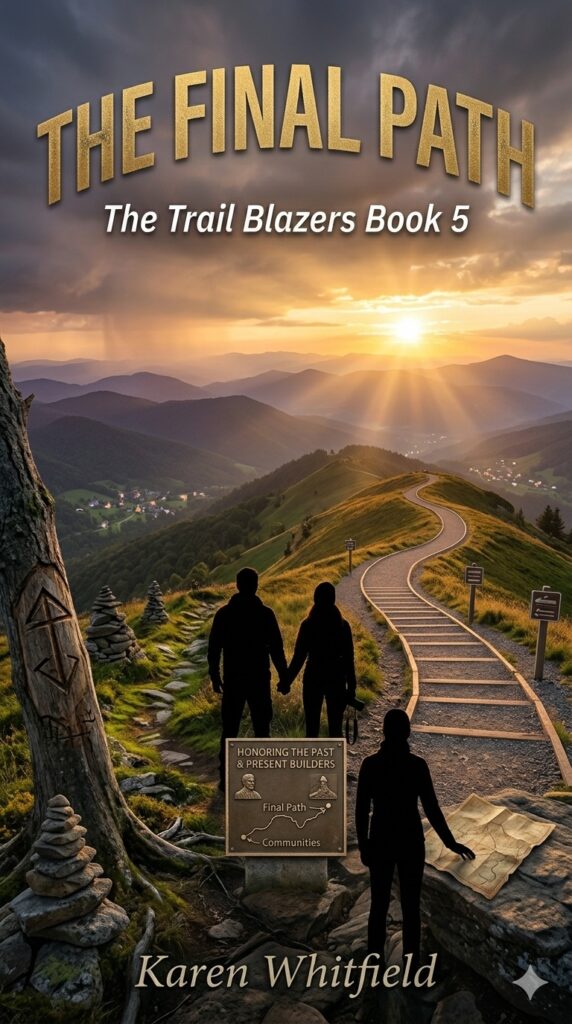
Jonathan Carter hikes the unfinished stretch of trail, checking flags for the final link. Kelly Collins arrives with an old map, documenting the trail’s legacy. She questions his reroute around an old homestead; he defends the new alignment. Jonathan prioritizes erosion control; Kelly argues for preserving historic paths. He remembers a failed project where a rushed opening caused injuries. She recalls her grandfather’s stories about the original footpath now being erased. The project lead orders them to reconcile plans before construction begins. Kelly guides Jonathan along the faint, overgrown historic trail. He notices how gently she traces old blazes on trees. Jonathan keeps the conversation strictly professional. They mark a viewpoint where the new and old routes can meet. That night, they argue about what “final path” really means. A burned marshmallow breaks the tension and makes them laugh. Locals voice fears that the new trail will bring too many tourists. Some blame her for “digging up the past” and slowing progress. He steps in, saying her research is critical to doing it right. Kelly feels a pull toward him she doesn’t trust. A major storm is predicted for the trail opening week. The project lead warns that delays could cancel future trail expansions. Jonathan and Kelly are put in charge of finalizing the route before the storm hits. They start early, flagging sections that need rerouting or reinforcement. Kelly’s paper map and Jonathan’s GPS don’t match in several spots. They argue over which data to trust. On a break, Jonathan reveals his last project opened too soon and someone got hurt. She admits she’s afraid her family’s history will vanish if this trail erases it. They agree the final path must honor both safety and story. He watches her carefully place a flag at an old stone wall. They reach a half-built footbridge over a rocky creek. Jonathan notices shortcuts taken by a subcontractor. He insists the work be redone, risking schedule delays. She backs him publicly, even knowing it may anger the board. The project lead warns them that any delay will be on their heads. They camp near the bridge to oversee repairs. They share stories about first hikes and childhood trails. They lean close before a radio crackle interrupts. Jonathan retreats, reminding himself not to mix work and romance. Local volunteers arrive to help finish the corridor. An older hiker tells them about the first unofficial path through these hills. Kelly sees how the old stories align with Jonathan’s safest route. They design a hybrid route that links historic sites with modern safety standards. At a field review, a board member calls their hybrid plan “too complicated.” He refuses to sign off on a simpler but riskier alignment. She explains how the hybrid route will draw visitors while honoring the land. The board grudgingly agrees to test their plan. Crews cut brush, set steps, and finish the bridge under their supervision. Jonathan and Kelly watch volunteers walk the new section for the first time. The storm is now forecast to hit on opening day. Some suggest postponing the ceremony; others push to keep the date. Jonathan wants to delay; Kelly fears a delay will kill momentum and funding. She accuses him of letting fear rule him; he accuses her of chasing nostalgia. They separate for the night, both doubting the partnership. Jonathan studies the maps alone, seeing how much of Kelly’s work improved the route. She rereads her grandfather’s journal, wondering if she’s clinging too hard to the past. A volunteer radios that a test hiker hasn’t returned before dark. Jonathan and Kelly both respond, arriving at the trailhead at the same time. They head up the nearly finished trail with headlamps. They find signs of a small slide on the new section and no sign of the hiker. Jonathan organizes a quick search plan; Kelly tracks footprints and broken brush. They move along the hybrid route they designed together. They discover the volunteer with a sprained ankle near a washed-out switchback. Jonathan stabilizes the ankle while Kelly radios for a litter team. They realize the damage is minor compared to what the old alignment would have suffered. Rain begins to fall as they guide the hiker back toward the trailhead. They both accept that no trail can be perfect—but theirs held. Jonathan apologizes for letting fear make him rigid. She admits she clung to the past to avoid facing an uncertain future. They kiss under a trailhead shelter as thunder rolls in the distance. The ceremony is scaled down but not canceled; safety protocols are tightened. Jonathan and Kelly stand together as the first hikers step onto the completed system. Locals celebrate the trail that now links their mountain communities. A plaque is unveiled, crediting historic routes and modern builders alike. Kelly proposes a series of guided “story hikes” along the new path. He offers to stay on as long-term steward of the linked system. They sit together where the old and new paths meet, watching clouds lift. Their joined hands rest on the trail map, edges worn from use. They walk the final path side by side, carrying both history and hope forward.